But for now, let’s focus on the Honda Civic Type R EK9…
[dt_gap height=”10″ /]
When will the Honda Civic Type R EK9 be ready for import ?
[dt_gap height=”10″ /]
The reality is that initial model approval is not like turning on the import tap, it’s just the first step.
[dt_gap height=”10″ /]
It usually takes between 3 to 6 months for full compliance approval to be completed once a model has been approved. This depends on when the first workshop applies for compliance approval and how long the Govt. takes to process the paperwork.
[dt_gap height=”10″ /]
As part of this process, a ‘sample vehicle’ is imported by a registered compliance workshop (and complied in the usual way), this first vehicle is kept available to the Govt. should they wish to inspect it at any time until the compliance approval is finalised.
[dt_gap height=”10″ /]
Once finalised, the compliance workshop can apply for import approvals in the usual way, with immediate import of those vehicles.
[dt_gap height=”10″ /]
What will a Honda Civic Type R EK9 cost to import ?
[dt_gap height=”10″ /]
Well, now comes the bad news part.
[dt_gap height=”10″ /]
Prices have been steadily rising in recent years on all classic models, and the Honda Civic Type R EK9 is no exception.
[dt_gap height=”10″ /]
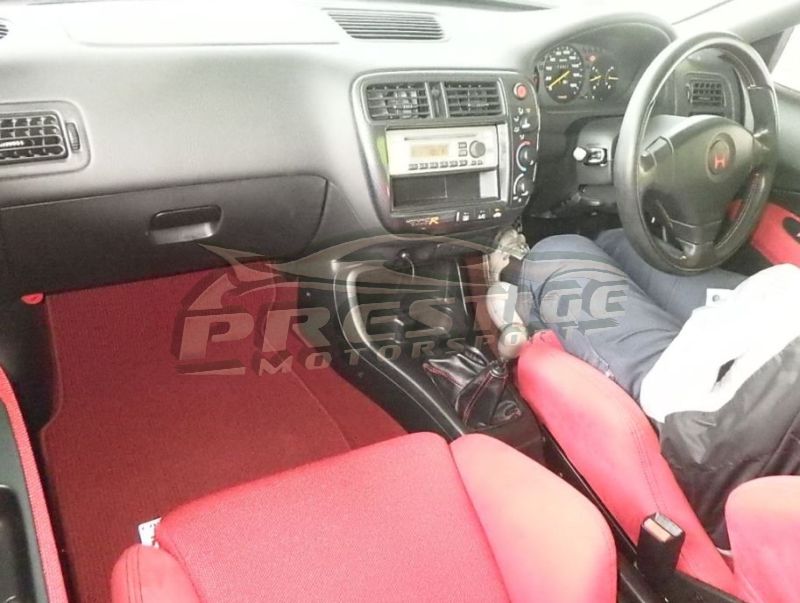
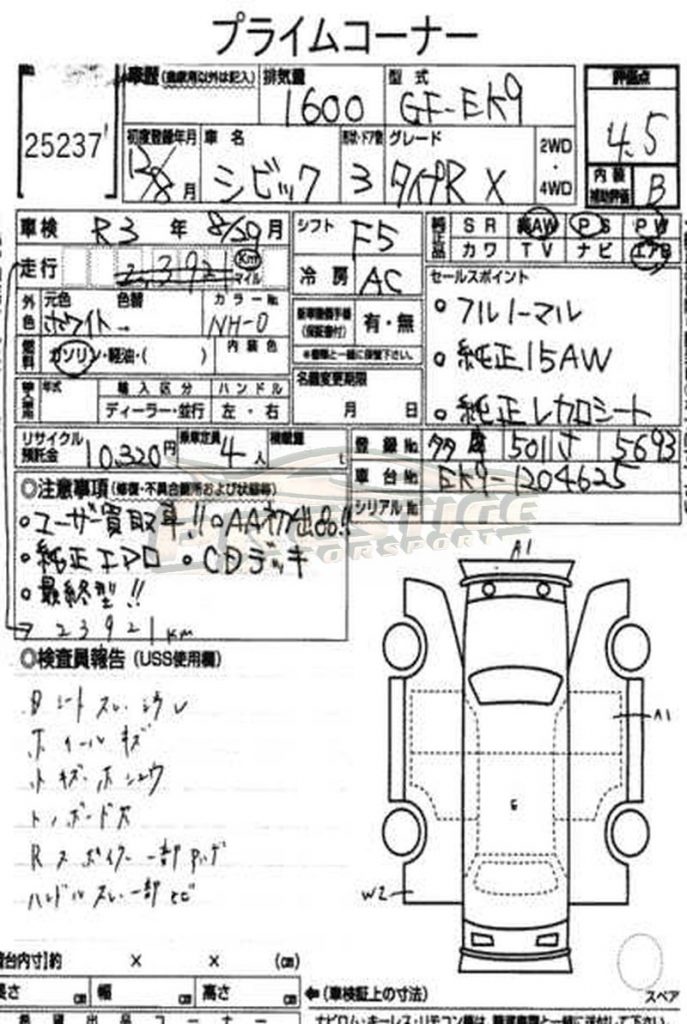
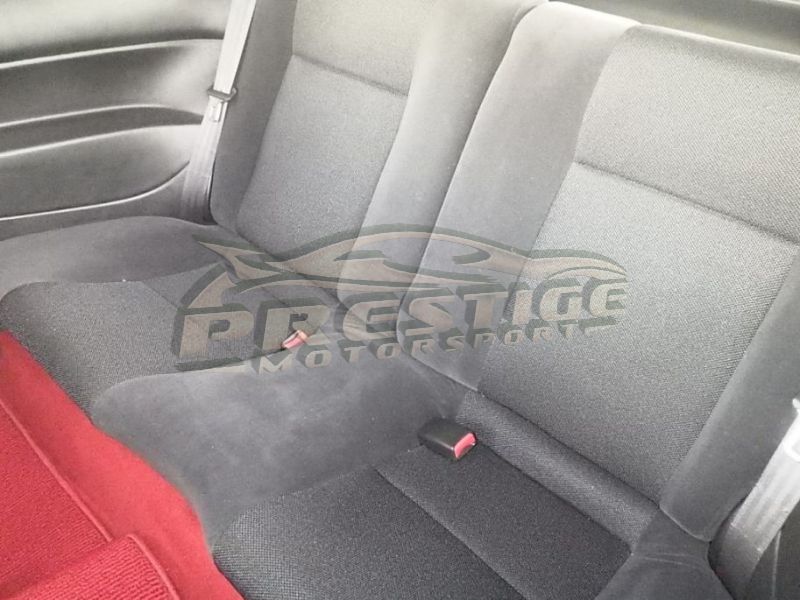
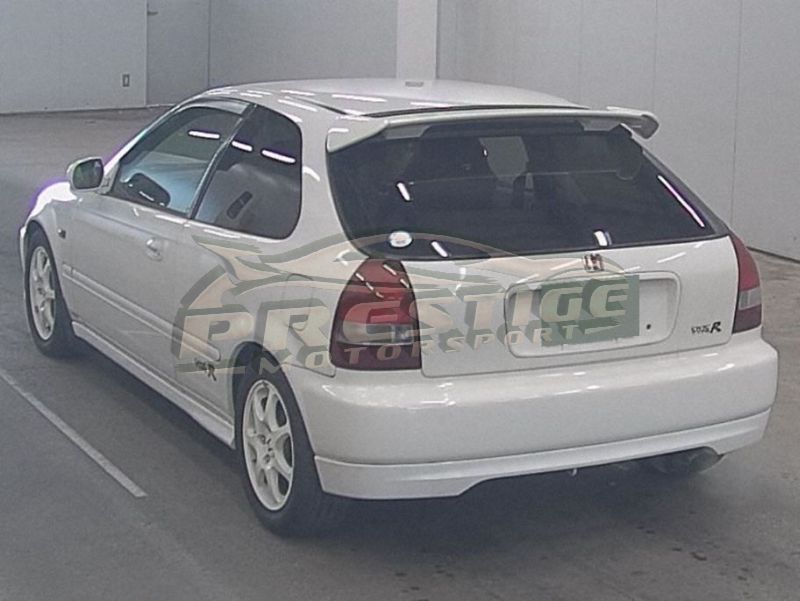
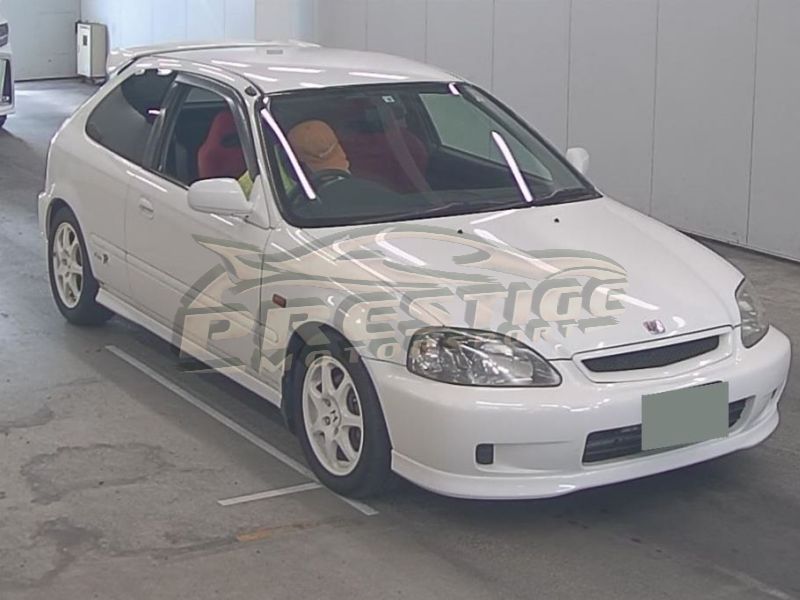
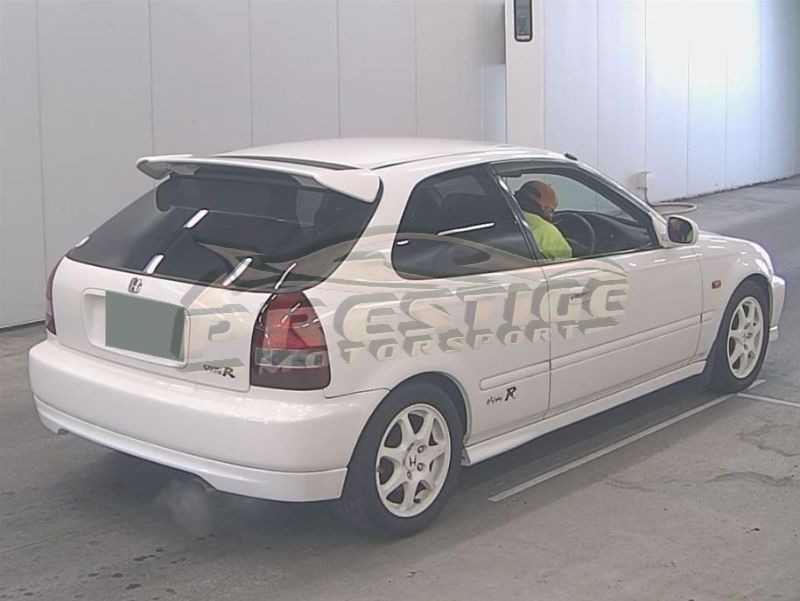
So it won’t be cheap if you want a pristine collector example of an EK9 Type R like the grade 4.5 B Type R X with just 23,921 km featured here (or for that matter any other model now considered a classic), which sold at USS Tokyo on 30 January 2020 for 3,310,000 YEN FOB – equivalent to approx. $53,600 complied plus on road costs (@ 74 Yen to the dollar) at the time.
[dt_gap height=”10″ /]
Even an EK9 in average condition will be relatively expensive so importing one of these cars will suit a genuine enthusiast (rather than someone looking for a cheap daily driver – sadly those days are long gone for anything of this era out of Japan).
[dt_gap height=”10″ /]
[dt_gap height=”10″ /]
At the time of this post, there were about 25 x EK9’s being auctioned across Japan every month (and as with any aging classic, numbers will decrease and fewer of those will be in good condition over time).
[dt_gap height=”10″ /]
[dt_gap height=”10″ /]
Of those, more than half had past repairs and / or were in rough condition.
[dt_gap height=”10″ /]
[dt_gap height=”10″ /]
As we need to avoid repaired cars for import under SEVS, this rules out more than half of the available EK9’s being auctioned.
[dt_gap height=”10″ /]
[dt_gap height=”10″ /]
Of the rest, the rough ones were selling for under 1 million Yen, or about $17,000 to $20,000 complied plus tyres and on road costs. But these cars had issues like high or unknown total km, rust, faded paint, repainted, smoker’s cars or generally rough condition.
[dt_gap height=”10″ /]
[dt_gap height=”10″ /]
Allow from $21,000 complied and up for one in decent condition for age, suitable for daily driver.
The best ones range between about 1.4 to 2.5 million Yen (which equates to about $28,300 to $46,000 complied, plus tyres and on road costs) with some selling for up to 3 million Yen (about $55,000 complied, plus tyres and on road costs ) for very low km, collector cars.
[dt_gap height=”10″ /]
Usually there are just a few each month worth looking at for import to Australia.
[dt_gap height=”10″ /]
[dt_gap height=”10″ /]
So if you want to import a good EK9 Type R that doesn’t need any major work on arrival, you should be thinking at least $22,000 complied and up plus several months of searching for the right car.
Vehicles are inspected in person just for you on auction day – we check running condition as well as inside, outside and underneath – with more pictures provided and details including any faults not mentioned on the auction report. See example inspections.